Wednesday, 18 December 2013

Pills, Pills, Pills...surely there has to be a better way.


If we had a choice between sticking chemicals into our bodies to gain pain relief or doing something naturally, which would you choose?

Personally I HATE taking tablets and very rarely do, I firmly believe that if we can improve our health naturally, allowing us to control it without the dreaded side affects that come with everything your Doctor prescribes.

With pain control, pain killers only mask the problem and go no way to solving the issue, hence the reason of constantly having to take them, if you have masked the pain, how can you tell what damage you are doing, the problem can only get worse.


Tablets affect our mood, make us drowsy, can cause problems to the stomach, kidneys and liver over prolonged use.

Now...I am not suggesting that you stop taking your medication, just that you need to look at the alternatives available, because if you don't know what's out there you cant make a decision on something that might benefit you.

Andrew Spiers.

Thursday, 3 October 2013

Could this be a replacement for the dreaded Statin?

A new drug that claims to cut cholesterol by up to 60 per cent, which makes it much more effective than statins, is about to be launched.

This medicine is called ALN-PCS, it blocks a protein that stops the blood getting rid of the harmful fat which can block arteries and cause heart attacks and strokes.

One dose slashed the bad cholesterol (LDL), by up to 57 per cent, statins, the most popular (one in five people can't take) cuts cholesterol by 36 - 53 per cent.

Dr Kevin Fitzgerald, whom led the study in Massachusetts, US. said the drug could be a much needed alternative to statins, or be combined with them to produce "even greater effects" for cholesterol sufferers, after further tests have been carried out.

Coronary heart disease in the UK's single biggest killer, causing around 82,000 deaths each year.


See previous blog articles for ideas on reducing cholesterol naturally.

Drew.

Tuesday, 23 July 2013

The NEXT 10 best things to eat to keep you healthy...


Garlic

Fresh garlic contains several compounds, the most important of which is allicin. This has been shown to protect against high blood pressure, infections, candida, indigestion, stomach ulcers and bowel disorders. Several studies have shown that it can reduce harmful cholesterol by about 12 per cent, and inhibits new growth of plaque in the arteries that can lead to heart attack or stroke. Garlic may also inhibit the growth of cancer cells and strengthen the immune system.

Greens

Leafy dark green vegetables, such as Savoy cabbage, kale, and spring greens, are good sources of two carotenoids which have been shown to help prevent age-related macular degeneration and cataracts. Greens are also a good source of easily absorbed calcium to help maintain strong bones, and are rich in potassium, which helps protect against calcium loss. In addition, they're a good source of vitamins C and E.

Herbs

Several herbs are strong antioxidants, even when used in small amounts. Thyme, oregano, rosemary, sage, basil and coriander all contain high levels of phyto-chemicals, which can help ward off heart disease and cancers.

Nuts

Nuts are a good source of magnesium, which is vital for energy levels. Magnesium can help keep muscles supple and prevent aches and pains, and may also lower the risk of osteoporosis. Almonds, Brazils and peanuts are good for helping to build or maintain muscle mass and help protect against glaucoma, diabetes and high blood pressure. Research in the USA has shown that just two 25g portions of fresh nuts a week reduced death from heart disease in men by up to 47 per cent.

Oily fish

Oily fish such as salmon, herring, mackerel and sardines are the main source of the important fats called omega-3s. Two of them - EPA and DHA - are not found in any other foods. These fats have a variety of benefits, including offering some protection against the decline of brain power and diseases such as Alzheimer's and Parkinson's. They are also anti-inflammatory, helping to minimise the pains of arthritis and rheumatism. In addition, they can help prevent blood clots, coronary disease and strokes.


Olive oil

Although olive oil is almost 100 per cent fat, it is rich in nutrients and compounds that can help protect against age-related disease. It is high in monounsaturated fats, which lower levels of harmful LDL cholesterol while protecting the levels of "good" HDL cholesterol, and thus helps fight heart disease and stroke. Olive oil also contains squalene and oleuropein, which are powerful antioxidants, protecting blood cholesterol from oxidation. This antioxidant effect may also reduce the risk of some cancers, particularly of the breast and colon. Top-quality, cold-pressed oils contain more of the protective compounds.

Onions

The onion family, including garlic and leeks, are good detoxifiers and are also antiseptic and antibacterial. The sulphur compounds they contain are also linked with protection against strokes, high blood pressure, heart disease and cancers. Just 1g of onion a day is enough to help strengthen the bones. Onions are rich in flavonoids and potassium, which can reduce blood pressure and keep the arteries healthy, and the onion family may also help to keep blood sugar levels even by regulating insulin production.

Spices

Most spices are strong antioxidants and have a variety of beneficial effects. Ginger is an anti-inflammatory and can help ease the pain of arthritis. Chillies contain the plant chemical capsaicin, which is a great reliever of general aches and pains, and coriander seeds can lower blood pressure.

Soya

Soya beans contain high levels of plant oestrogens and magnesium, both of which may help to minimise menopausal symptoms. Soya beans are high in soluble fibre, and have also been shown to help reduce the risk of heart disease. Soya protein helps build and maintain collagen and elastin, both important for keeping skin in youthful condition.

Tomatoes

Tomatoes are rich in the carotenoid lycopene, which provides some protection against cancer and heart disease. Recent trials have found that women who eat a lot of lycopene have lower risks of ovarian or breast cancer, while in men it helps prevent prostate cancer. Tomatoes are also a good source of lipoic acid, which helps increase energy levels and improve brain power in some people. Small, ripe tomatoes tend to contain the highest levels of lycopene and cooking them helps absorption.

Saturday, 6 July 2013

Top TEN Healthy things to eat and Why.


Apples

Apples are rich in two plant compounds called catechins, and in quercetin. All help to prevent strokes, heart disease and cancer. Quercetin has also been shown to improve the firmness of collagen, which helps the skin to keep its elasticity. Apples are also rich in the soluble fibre pectin, which helps to lower blood cholesterol. Lastly, the flesh of apples contains the mineral boron, which helps to prevent calcium loss and provides some protection against osteoporosis.

Avocados

Avocados contain an amino acid called glutathione, which strengthens your defences against heart disease and cancer. They are also rich in vitamin E, a powerful antioxidant important for good skin condition and wound healing. Avocados are also a good source of monounsaturated fat, which is linked to lower risk of heart disease.

Barley

Whole-grain barley - or "pot barley" - and other whole grains, such as rye and oats, contain phytic acid which has been shown to inhibit the growth of cancers. Barley is particularly rich in chemicals called protease inhibitors, which also have properties that combat cancer, including breast and bowel cancer. Whole grains are also high in fibre, which helps to keep the digestive and circulatory systems healthy.

Blackcurrants

Blackcurrants are one of the richest natural sources of vitamin C, at around 130mg per 100g when stewed. Vitamin C is an important antioxidant which helps keep the immune system healthy, keeps the skin in good condition and helps wounds and fractures to heal. High levels of vitamin C are linked with the lowest risk of heart disease. Blackcurrants also contain other implant compounds such as lutein (see Broccoli) and anthocyanins (see Blueberries), and the oil from their seeds has been shown to have anti-inflammatory effects, relieving arthritic pain. Vitamin C from foods may offer more protection than supplements.

Blueberries

Discovered in recent tests to be the most powerful antioxidants of all, blueberries have the strongest potential to prevent the diseases of old age. It has been found that 100g a day can stimulate the growth of new brain cells and may help prevent memory loss. Blueberries are also rich in a plant chemical group called anthocyanins, which help oxygenate the skin and keep it looking young. Many other red, purple and blue berries have similar properties.

Broccoli

Broccoli is high in antioxidant carotenoids, vitamin C and indoles, which help fight lung, breast and colon cancers. It is rich in lipoic acid, a fatty acid linked with increased brain power and energy. As well as high levels of lutein and zeaxanthin, which help keep vision healthy, it's the best vegetable source of vitamin E which is linked with protection against Alzheimer's disease. It is rich in fibre, and a natural source of chromium, which helps to regulate blood sugars.

Carrots

Carrots are the best source of carotenes - compounds which have a strong antioxidant effect that is important in helping to prevent cancers. Regular carrot intake can also help protect against macular degeneration and cataracts, help minimise night blindness and reduce harmful cholesterol. Carotenes also protect the skin from sun damage and cancers. Eating carrots cooked with a little oil or fat encourages carotene absorption.

Celery

Celery is renowned for reducing blood pressure, possibly because it contains the plant chemical 3-n-butyl phthalid, as well as apigenin, one of the flavonoid plant chemicals. It is also an excellent source of potassium, a mineral that balances body fluids and can lower blood pressure in some. Celery also has anti-inflammatory properties and can help reduce pain from arthritis, as well as helping to beat fluid retention. One study found that celery is one of the vegetables most strongly linked with protection from bowel cancer.

Eggs

Fresh, organic eggs that are certified salmonella-free are an excellent food. They contain high levels of selenium which may be lacking in the diet and have cancer- and heart disease-fighting qualities. They're a good source of iodine, which can help to promote healthy thyroid activity and also contain lecithin, a substance that can help to prevent heart disease and gallstones. Eggs are rich in vitamins and minerals, including vitamin E and zinc - both lacking in many older people's diets - as well as the B group, which helps nerve health and stress, and protein. Aim to have about four eggs a week unless you have specifically been told to avoid cholesterol in your diet.

Flax seeds

Flax seeds - sometimes called linseeds - are tiny golden seeds from the flax plant. They are one of the few plant foods rich in alpha-linolenic acid which the body converts to the fatty acids EPA and DHA. These fats have a host of important anti-ageing properties - they help to prevent blood clots, stroke and heart disease, may improve brain power and lift depression, can help arthritis, improve insulin sensitivity and are vital in retaining smooth skin. Flax seeds also contain lignans - oestrogen-like plant compounds that may reduce menopausal symptoms.

Tuesday, 2 July 2013

Waiting Lists To get Longer??????????????

As more and more of the 'Baby Boomers' of the 50's come into the retirement market, the NHS will come under a lot of pressure to keep up with the extra hip and knee replacements required for the millions of them.

This can only put up the waiting lists as we are not building new hospitals, Government talk about sending us abroad for our operations, but they have their own 'Baby Boomers' so that will not work.


So, what is the answer?

The most important thing is for us all to look at better prevention, its down to us at the end of the day,
  • Better Diet
  • Exercise
  • Quality Sleep
  • Slowing down Wear and Tear issues

Whilst we obviously can't prevent wear and tear, we are all capable of slowing the process down, by keeping muscles relaxed, having good oxygenated blood flow, and getting quality refreshing sleep.

If we relax our muscles and allow them to absorb oxygenated blood we can flush out toxins, get more nutrients into them which in turn gives them more energy and flexibility, this reduces the tendons over tightening and pulling the joints together, which can lead to excessive wear and tear.

Good relaxing sleep is paramount and has a direct factor on our health and how we function. If we do not have aches and pains and have energy from good quality sleep, we can do more things for longer, this in turn gives us 'Quality Of Life' .

                                          AND WE ALL WANT THAT - DONT WE?


For more information on looking after your joints, getting good quality sleep please go to our website at www.adjustablebedslancashire.com 

Tuesday, 25 June 2013

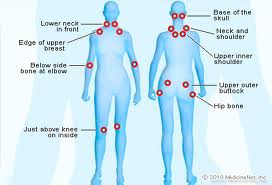
Fibromyalgia Mystery Finally Solved!

Fibromyalgia Mystery Finally Solved!
Researchers Find Main Source of Pain in Blood Vessels

Fibromyalgia Mystery Finally Solved! Researchers Find Main Source of Pain in Blood Vessels
Researchers have found the main source of pain in Fibromyalgia patients, and contrary to what many believe, it does not stem from the brain. The findings mark the end of a decades-old mystery about the disease, which many doctors believed was conjured in patients’ imaginations. The mystery of Fibromyalgia has left millions of sufferers searching for hope in pain medications. Up until recently, many physicians thought that the disease was “imaginary” or psychological, but scientists have now revealed that the main source of pain stems from a most unlikely place- excess blood vessels in the hand.
The discovery may lead to new treatments and perhaps even a total cure in the future, bringing relief to as many as 5 million Americans thought to have the disease. To solve the Fibromyalgia mystery, researchers zeroed in on the skin from the hand of one patient who had a lack of the sensory nerve fibers, causing a reduced reaction to pain. They then took skin samples from the hands of Fibromyalgia patients and were surprised to find an extremely excessive amount of a particular type of nerve fiber called arteriole-venule (AV) shunts.
Up until this point scientists had thought that these fibers were only responsible for regulating blood flow, and did not play any role in pain sensation, but now they’ve discovered that there is a direct link between these nerves and the widespread body pain that Fibromyalgia sufferers feel.
The breakthrough also could solve the lingering question of why many sufferers have extremely painful hands as well as other “tender points” throughout the body, and why cold weather seems to aggravate the symptoms. In addition to feeling widespread deep tissue pain, many Fibromyalgia patients also suffer from debilitating fatigue.
Neuroscientist Dr. Frank L. Rice explained: “We previously thought that these nerve endings were only involved in regulating blood flow at a subconscious level, yet here we had evidences that the blood vessel endings could also contribute to our conscious sense of touch… and also pain,” Rice said. “This mismanaged blood flow could be the source of muscular pain and achiness, and the sense of fatigue which are thought to be due to a build-up of lactic acid and low levels of inflammation fibromyalgia patients. This, in turn, could contribute to the hyperactivity in the brain.”
Current treatments for the disease have not brought complete relief to the millions of sufferers. Therapies include narcotic pain medicines; anti-seizure drugs, anti-depressants and even simple advice such as “get more sleep and exercise regularly.” Now that the cause of Fibromyalgia has been pinpointed, patients are looking forward to an eventual cure. Other expressed frustration about how much they had suffered already:
“When are they ever going to figure out that things are never “all in your head?” said one commenter. “Whenever something doesn’t fit in their tiny little understanding, they belittle the patient and tell them they are crazy. People have suffered through this since they were invented. Prescribing SSRIs for everything is not the answer any more than a lobotomy or hysterectomy was.”
The announcement has the potential to unlock better future treatments and undoubtedly has patients all over the world rejoicing that the mystery of Fibromyalgia has finally been solved.
By: Rebecca Savastio
Source: Redorbit
Source: Womenshealth.gov

Thursday, 4 April 2013

Your a right pain in the neck................living with Spondylosis

I have suffered with spondylosis for the best part of seven years and for the first two and a half years it ruled my life. Most mornings I would wake with a stiff sore neck and a headache at the rear of my head, which thankfully would wear itself off by lunchtime, but be right back the next morning.

The tablets prescribed by the GP were none effective so i quickly stopped taking these, and had to learn to live with it, or so I thought....
Spondylosis is wear and tear of the bone and tissue which can create pressure on the nerves which lead to pain and limited movement, it can also flair up and can cause pins and needles in arms and hands, numbness, stiffening of the muscles across the top of the shoulder, all of which lead to restricted painful movement.

So what did i do.............

For the last four and a half years I have slept in an Adjustable Bed with Cyclonic Massage Therapy and every night I give myself a full half hour of circulatory massage, this treatment improves oxygenated blood flow to the muscles, washes out toxins, allows the muscles to relax and repair, aides better refreshed sleep.......NOW I know it cant cure it...........BUT it does mean that I CAN control it.

Since sleeping in the Adjustable bed and doing the nightly therapy I rarely have a episode where my spondylosis controls me.

Find out more here - www.Adjustablebedslancashire.com

 
Don't put up with a Pain in Your Neck - because you don't have too...............

Saturday, 30 March 2013

Osteoarthritis (wear&tear) Why pain killers are NOT the answer.....

Osteoarthritis, or wear and tear is the erosion of the cartilage protecting the bone ends where it forms the joint, this causes more lateral movement and discomfort, and later on causes pain as the muscles tighten to compensate for the excessive movement and pressure is place on the nerve endings in the muscle tissue resulting in pain.

GP's will try and alleviate this with pain tablets or injections, BUT why does the pain keep coming back?

Pain tablets only mask the problem, hence when they wear off the pain will return, prolonged use of these will result in further wear and tear and eventually could mean ALL the cartilage has been eroded and you now require a new artificial joint.

We all have the ability of getting to the end of our days with the joints we are born with IF we know how to control the excessive rate of wear and tear and control the pain NOT have the pain control us.

Cyclonic Circulatory Massage has been invaluable in promoting good oxygenated blood flow to all of the 640 muscles, allowing them to take on all the nutrients from the food we eat which keep the muscles healthy and full of blood taking the pressure off the nerve endings which controls pain in the most natural way (massage therapy has been around for five thousand years), also helping to control the toxins as muscles are been cleaned of these.

As muscles relax and remove pressure on the nerve endings it also relaxes tension in muscle tissue and the tendons surrounding the joints and releases pressure making it more comfortable and improving mobility, it is also slowing down the wear and tear of the cartilage, so the joint will last longer.


We all have a choice in life and for myself to fill my body with chemicals which come with many potential side affects is NOT the answer, we have pain for a reason, to keep masking this is to ignore what the body is telling us, and it is telling us something is wrong.

Instead we need to look at controlling it naturally - NOW while we still have the protective layer of cartilage...............

For more information regarding the benefits of Cyclonic Circulatory Massage Therapy go to

www.adjustablebedslancashire.com

Monday, 25 March 2013

Benefits of sleeping in the 'Fowler' position

Sleeping in an adjustable bed in the fowler position, {back and legs in a raised position}will improve circulation by allowing more oxygen into the blood stream, which cleans the muscles of toxins and improves deep restful sleep, by  spreading body weight evenly and preventing lots of typical tossing and turning, we sleep better and wake feeling far more alert and refreshed.

For more information take a look at:

www.adjustablebedslancashire.com


Monday, 21 January 2013

Tis the season of......

Watching our weight and giving up bad habits like smoking and alcohol.

New Years resolutions in the main will have been broken by now (3 week Jan) but I made a resolution ten years ago and have managed to stick to it....

What was it???


** Not to make any more New Year Resoulutions**

Have a great 2013..

Sunday, 26 August 2012

Surely good health starts with good food

I don't believe anyone in their right mind would prefer to take tablets, when eating fresh fruit and vegetables would help, have we got it all backwards or have we been programmed to accept that Doctors are licences drug pushers - you decide for yourself.


Saturday, 4 August 2012

Curry spice compound could combat type 2 diabetes


A compound commonly found in spicy curry food may help protect againstdiabetes in individuals at high risk of the metabolic condition.


Researchers in Thailand revealed that a daily dose of curcumin, found in turmeric spice, may prevent people with pre-diabetes from progressing to type 2 diabetes.


The finding comes from a study of 240 pre-diabetic Thai adults who were randomly assigned to take a daily dose of either six curcumin capsules, each containing 250 milligrams of "curcuminoids", or a placebo for nine months.


After this period, 19 of the 116 placebo patients were diagnosed with type 2 diabetescompared with none of the 119 patients in the curcumin group.


The researchers said the supplement seemed to protect and improve the function of theinsulin-producing beta cells, which are vital for regulation of blood sugar, and suggest this improvement is due to the anti-inflammatory effects of curcumin.


However, a diabetes expert not involved in the study warned while the results of the study look "promising", further longer-lasting trials need to be carried out before people start stocking up on curcumin supplements .


"This looks promising, but there are still a lot of questions," said Constance Brown-Riggs, a certified diabetes educator and spokesperson for the Chicago-based Academy ofNutrition and Dietetics .


"If I was talking to a patient about this, I'd say concentrate on eating healthy and overalllifestyle," she added.

Thursday, 3 May 2012

EDITORIAL Doctors should take responsibility for cutting unnecessary procedures

The best hope for achieving significant savings in medical costs is through the elimination of unnecessary or duplicative procedures, which waste hundreds of billions of dollars a year. Government attempts to set boundaries inevitably run into cries of “death panels” and rationing, along with prideful reactions from many doctors, who assert the right to test patients as they see fit. But so many factors complicate that decision — from patients’ demands to doctors’ financial interests and fear of lawsuits — that a system without limits is untenable. It’s also unhealthy, in the sense that some patients are exposed to unnecessary risks. That’s why it’s welcome that the medical profession — encompassing the people best qualified to set guidelines — is starting to take responsibility. Nine medical specialty groups, including the American College of Cardiology and the American Board of Internal Medicine Foundation, recently released a list of 45 tests and procedures that patients usually don’t need. Other medical specialty groups must follow suit, and even then those who’ve already weighed in should dig deeper for workable best-practice guidelines. Then, last week, the Brookline-based Lown Cardiovascular Research Foundation went further, partnering with the New America Foundation on the first major conference to dedicated to “Avoiding Avoidable Care.” The 100 or so doctors in attendance addressed many of the steps necessary to reduce unnecessary treatments. Defensive medicine was something attendees returned to time and again, and with some justification: A neurosurgeon, for example, has an 18 percent chance of being sued each year. Given that a malpractice suit can take five or six years to settle, the specter of litigation is always hanging over that discipline. And yet, overall, defensive medicine amounts to only about $46 billion a year, or about eight days of annual national health care spending, according to Kennedy School economist Amitabh Chandra. That’s not small potatoes, he noted, but neither is it the biggest driver of unnecessary care. Nine medical specialty groups recently released a list of 45 tests and procedures that patients usually don’t need. So what are the larger reasons for over-testing and over-treatment? David Newman, an emergency physician and director of clinical research at Mt. Sinai School of Medicine, identified one as “scienciness,” which he described as doctors being very knowledgeable about the array of tests they could order but not the likelihood those tests will actually reveal anything of value. Others said the way doctors are trained puts an emphasis on excessive testing and on acting rather than opting for a wait-and-see approach. “Medical school and graduate education are failing us,” lamented Dr. David Goodman, director of the Center for Health Policy Research at the Dartmouth Institute. From the audience, David Himmelstein, a primary care physician and professor at City University of New York, brought up a topic that had, at least until that point, gotten short shrift. “Virtually everything we talk about as over-utilized is a reflection of a procedure that makes some corporate entity a great deal of money,” Himmelstein said. Why? Well, cardiologists, for example, can make substantial sums by interpreting the imaging work they order, and even bigger amounts if their practice owns the expensive imaging equipment. Himmelstein’s observation hung a little uncomfortably in the air. It was left to Don Berwick, former administrator of the Centers for Medicare and Medicaid Services, to frame the challenge and the consequences the medical profession faces. Noting that some $11 trillion will be spent on unnecessary care over nine years, Berwick said that for universal health care to work, waste simply must be wrung from the system. “We need the profession to rise to this,” said Berwick. “It is only the people who give the care who can change the way is delivered.” He’s certainly right about that. If patients are to trust that cost-conscious health-care decisions are in their best interests, the change has to start with, and be explained by, their physicians. That’s why, despite the enormous challenge, it was heartening first step to see a roomful of medical professionals grappling with over-testing and over-treatment in a serious way.

Friday, 9 March 2012

Statins risk, food ideas, veg diets

Statins are in the news this week as the US Food and Drug Administration (FDA) elects to add warnings to statins medication over increased risks of type 2 diabetes and memory loss associated with the drugs.


Diabetes and statins have a complex relationship and are the focus of intense patient and healthcare debate. Statins are cholesterol-lowering drugs.
Statins are used in diabetes care due to the knowledge that people with diabetes face a greater likelihood of heart attack and stroke.
When used alongside good blood glucose control and other medication, the case for statins argues that they cut cholesterol levels and lower the risk of a cardiovascular event.
Type 2 diabetes in particular is commonly linked with higher levels of cholesterol.


Wednesday, 22 February 2012

Acai Berry - Update

I have been using the Acai Berry tablets for two weeks now and have posted that this is a SCAM, I want to make it clear that the Acai Berry is not a Scam its the company marketing these products.

The company is HCGultra,based in America but have an outlet in West Lothian, Scotland called Revitalize Health and Beauty they offer a FREE trial of Acai Berry tablets and a liquid Colon Cleanser and all YOU pay for is package and postage at a very reasonable £2.95, but you have to pay this by credit card as there are no other options for payment.

14 days after this your credit card is charged £74.99 and this will be charged every month until it is cancelled, it states this in their T & C's but is well down and easily missed, and is why so many people, including myself are unaware that they have entered into a monthly contract.

I have now been charged another £44:99

SO, you have been warned, be very careful.

Friday, 17 February 2012

14 days into the Acai Berry fat loss program

AVOID THIS IS A SCAM...

So, after having lost approx 4.5 pounds in the first week, which will be mostly water that gets expressed at the start of any weight loss/diet plan, it has slowed down this week.
So in the last seven days the regime has remained the same, but I have only lost 2 - 2.5 pounds, but, still a loss, I have to say I am not experiencing any extra energy that some people have experienced by the second week, neither am I sleeping better, which also effect people on this plan, but I do have a Massaging Therapy Bed which I use every night and I have always slept very well since using this.
I wil post an update next week
Drew.

Thursday, 16 February 2012

Green tea could help keep the old young

Drinking green tea could help pensioners stay younger and fitter, according to a study. Japanese researchers say those who drink the hot beverage stay more physically active and are least likely to develop 'functional disability'.

The team tracked the health of almost 14,000 men and women aged 65-plus for three years, recording what they ate and drank and any care they needed. They found those who drank at least five cups a day were 33 per cent less likely to develop a disability than those who consumed less than one cup.
Drinking three to four cups a day reduced the risk by 25 per cent.

The research, published in the American Journal of Clinical Nutrition found green tea drinkers generally had healthier diets, lower smoking rates. They were also better educated and had more friends and family to rely on, the Tokyo University study.

It is unclear exactly why green tea has such benefits although the drink does contain high levels of polyphenols, plant chemicals which cut cholesterol and reduce DNA damage. Coffee and tea also contain polyphenols, although much lower levels.

The Japanese study did not prove a direct link between simply green tea and good health - as those who drank the beverage generally had healthier diets. Green tea should be avoided by those taking the blood-thinning drug warfarin as the vitamin K in it can stop the drug from working properly.